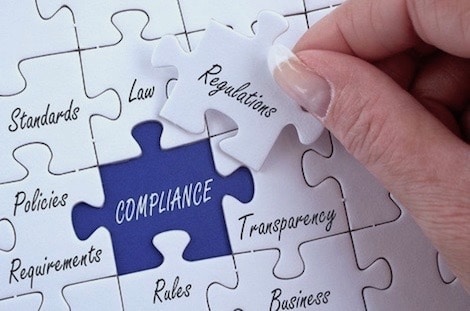
Procurement, in particular, is prone to compliance breaches due to unclear rules and bait-and-switch offers from suppliers.
The procurement departments of German companies generate billions in turnover. Many suppliers are under enormous pressure to sell their goods and services. The temptation is therefore great to resort to unfair methods at times in order to secure a contract.
The procurement function is therefore particularly vulnerable to breaches of the rules. Here, poorly drafted contracts and unethical behaviour on the part of suppliers can facilitate corruption and breaches of competition law. It is not always the case that criminal intent is at play on the part of the procurement department; often, procurement staff are unaware that they are already operating in a legal grey area. According to a survey by the Allensbach Institute, breaches of legal regulations occur most frequently in the procurement department, ahead even of the sales or finance departments.
Suppliers can pose a major risk to businesses.
It is therefore of the utmost importance for procurement that suppliers operate in accordance with ethical principles, as any breaches on their part pose a major risk to companies. If companies enter into business relationships with foreign suppliers who, for example, breach labour regulations (such as child labour or failure to comply with health and safety requirements) and are subject to criminal prosecution, this can result in enormous reputational damage for the purchasing company. A conviction of the supplier may also lead to supply disruptions.
A thorough review of the supply chain is essential.
Obtaining comprehensive information at an early stage about existing or potential suppliers – particularly when dealing with partners abroad or from different cultural backgrounds – can prevent the company from breaching compliance guidelines. The beneficial owner of a company is often not immediately apparent at a glance. This is particularly true where there is an extensive network of international interconnections, which must inevitably be scrutinised. In such cases, it is important for the procurement decision-maker to allow sufficient time to research the potential supplier and identify the beneficial owner.
Procurement and compliance need to work more closely together.
Senior management must encourage cooperation between the Procurement and Compliance departments. In the day-to-day running of the business, the two departments can complement each other effectively, for example when it comes to establishing and adhering to process guidelines. The aim should always be to ensure a high level of transparency in the procurement process.
The first step is always to identify the relevant risks.
As part of a specific procurement risk audit, the relevant risks facing the procurement department should therefore be identified and assessed. Based on a risk strategy tailored to the organisation’s needs, appropriate measures should then be devised to effectively address the identified risks.
About the author

Eckart Achauer studied law and business administration, followed by postgraduate studies leading to a Master of Business Administration (MBA). He undertook further professional development alongside his work to qualify as a European Quality Manager (DGQ), a mediator specialising in commercial mediation, and a Certified Compliance Manager (TÜV).
He spent around 10 years in the international insurance industry, holding various management positions within a Swiss insurance group (claims department, sales, assistance), before moving into management and business consultancy in 1997.
As a consultant and managing director of various consultancy firms, Mr Achauer has specialised in organisational and process optimisation, as well as in the development and implementation of management systems – quality management, risk management and compliance management.
At Senator Executive Search Partners, Mr Achauer is responsible for the Compliance Management division. As part of compliance audits, he analyses organisations„ “compliance fitness’, raises awareness and provides training for management, executives and staff, and supports companies in developing and implementing bespoke compliance management systems. In doing so, he always takes into account the specific risk profile of each company. Thanks to his many years’ experience as a manager and consultant, he is thoroughly familiar with the practical challenges faced by businesses.