„The world has changed – things will never go back to normal – and that’s exactly what you have to love!“
All companies are facing this changed world. Buzzwords such as digitalisation, increased flexibility, globalisation, competitive business management, communication on an equal footing, and shifts in values and culture – to name but a few – are making the rounds in every department.
In order to be able to cope with these issues in all their complexity, a new „mindset“ is needed amongst senior management and absolutely essential in the minds of HR departments.
The process of change in the labour market has been evident for years – demographic change is not something that has only just come to light. By 2020, there will be a shortfall of 6 million people – due to the low birth rates in the 1970s and 1980s. Closely linked to this is the ageing of society. This poses equally significant challenges for businesses. These facts should serve as a wake-up call to all companies, because it means that those who do not act now – those who do not change their „mindset“ now – will, within the next three to five years, lose a crucial competitive advantage: people, plus the ability to identify and develop them for a company.
The era of „Post & Pray“ is long gone – standard job adverts have not been generating the desired number of applications for quite some time now. It is therefore essential to explore new avenues – one option among many is to establish a strategic talent relationship management system. This can also be summarised effectively in a single sentence:
„Discovering tomorrow’s talent today.“
But how? This is precisely where „out-of-the-box” thinking comes in: finding talent – and by that we really do mean all potential candidates, whether active or passive – wherever they are. They’re certainly not hanging around on just any old online job board. Finding talent doesn’t mean spending the whole day online or at your desk. It means getting out and about, visiting trade fairs, actively building a network, being proactive in the market, making the most of events, and so on.
„Be brave and creative.“
Go where the talent is. For example, with the help of a „talent scout“. Where, for example, can you find young, innovative fashion designers? The best places are the various fashion fairs in Berlin, Amsterdam and so on. The talent scout’s sole task is to approach these talented individuals directly on the ground and establish contact – not to approach them for a specific role. Their role is to build a long-term, strategic relationship – to get the talent excited about the company today, so that when a suitable position becomes vacant, they can offer it to that talent. However, it also means that close contact with the talent should be established over time. A one-off birthday card is not enough – you need to stand out and stay in touch with the talent on a personalised basis. When implementing such measures, it should never be overlooked that, in order to build and maintain a strategic talent relationship pool, top management must provide the necessary support for the talent scout’s role. It is equally important that the underlying processes for a talent relationship management pool are supported as effectively as possible by a well-functioning tool, for example one embedded within an existing applicant tracking system.
Establishing a strategic talent relationship management system takes time – but saves money in the long run – as it leads to recruitment that is perfectly tailored to the organisation’s needs.
Now is the time to break new ground, put these ideas into practice and thereby gain a decisive competitive advantage.
About the author
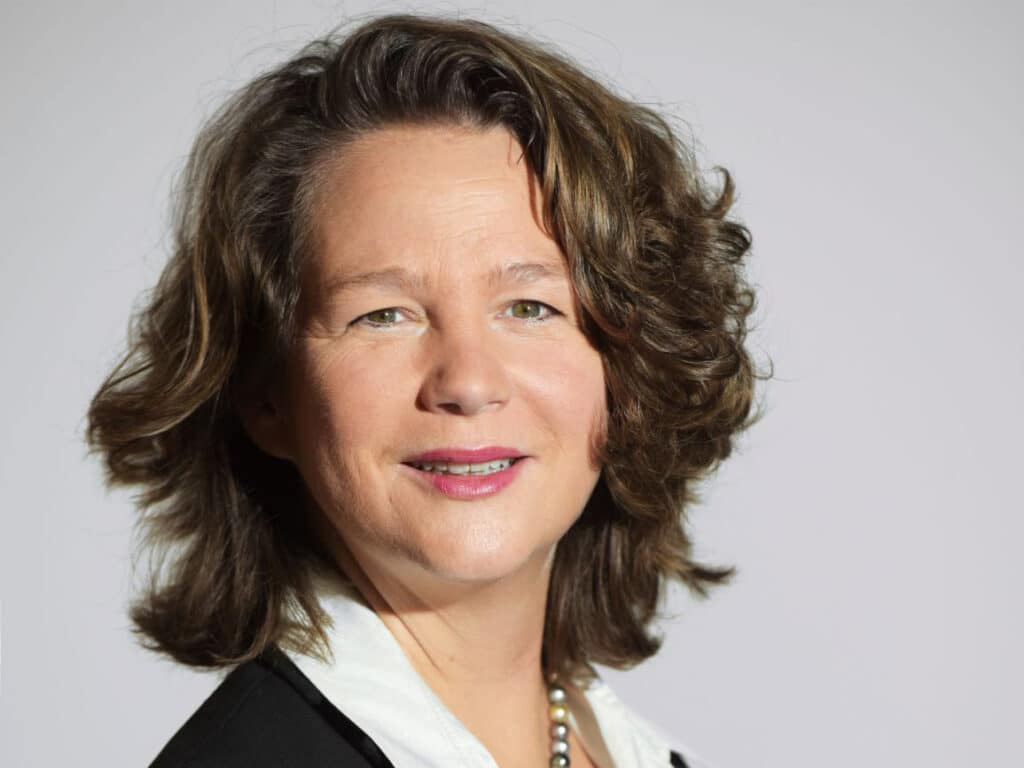
Ms Petra Carl is a fully qualified lawyer specialising in employment law. She has been working in human resources for 20 years and has learnt ‚her trade‘ from the ground up; she has headed up HR departments in various companies and has consistently developed these departments in line with the challenges of the labour market in recent years. As a long-standing HR manager in the fashion and lifestyle sector, she possesses in-depth knowledge of HR processes. Her expertise covers the entire employee lifecycle.
The five key areas of its further development are employer branding, the candidate journey, social media-based active sourcing, direct outreach and strategic talent relationship management.
At Senator Executive Search Partners, Petra Carl is responsible for HR process optimisation. She offers the following services for your HR department:
- tailor-made, forward-looking HR solutions
- Support and guidance in transforming your current HR system into a ‚state-of-the-art‘ one‘
- Development of ‚HR 4.0‘, with particular emphasis on its five key areas